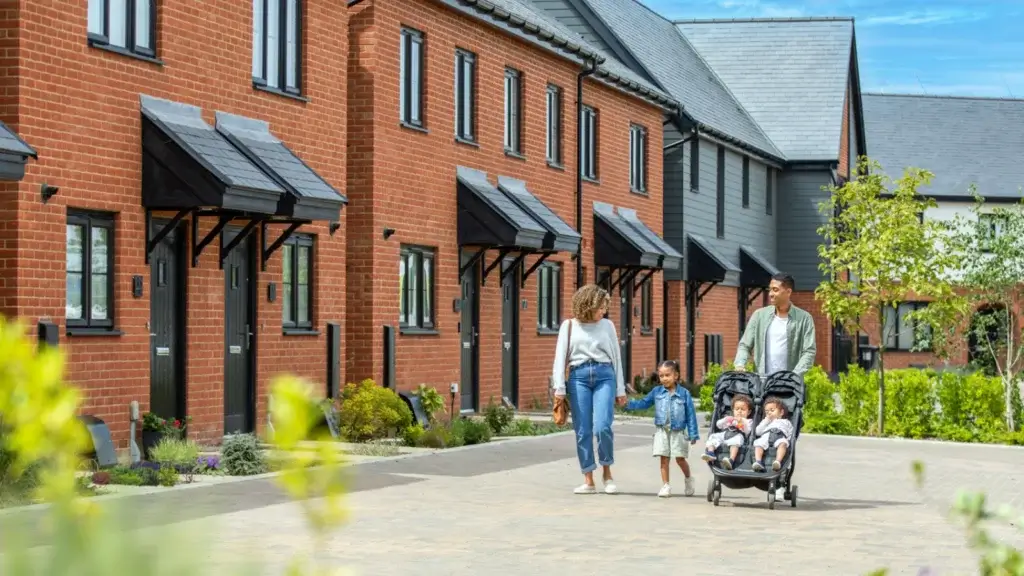
Only 16% of First Time Buyers bought on their first home on their own in 2017-2018, down from 2016-17 when 26% of first time buyers were one person households.
In 2017-18, 47% of first time buyer households were couples without dependent children; 29% were couples with dependent children, according to the English Housing Survey.
In 2017-18, there were around 785,000 first time buyers in England. That is, buyers who had bought for the first time in the last three years and had not owned a property previously.
In 2017-18, the average age of first time buyers was 33 years, up from 31 in 2007-08. In 2017-18, 47% of first time buyer households were couples without dependent children; 29% were couples with dependent children.
With an average (mean) deposit of £44,635 (£25,000 median), it is not surprising that 64% of first time buyers were in the upper two income quintiles. Almost all first time buyers (99%) had a repayment mortgage. Almost half (46%) had a mortgage of 30 years or more; 50% had a 20-29 year mortgage. A small proportion (3%) had a 1-19 year mortgage.
Over two thirds (68%) of first time buyers paid a deposit of less than 20% of the purchase price of their property. A small proportion (7%) bought their first home outright. Most (76%) first time buyers funded the purchase of their first home with savings; 39% had help from family or friends while 10% used an inheritance. Many first time buyers used a combination of sources.
In 2017-18, 58% of private renters (2.5 million households) and 25% of social renters (989,000 households) stated that they expected to buy a property at some point in the future. Between 2016-17 and 2017-18, there was no change in the proportion of private renters who expected to buy however the proportion of social renters who expected to buy decreased from 30% to 25%,
Kate Henderson, Chief Executive at the National Housing Federation, commented, “Today’s figures show the proportion of 35-44 year olds renting their home privately has doubled over the last ten years. This is a really concerning trend for people who are at an age when they often want to start a family and are looking for stability.
“Renting from a private landlord in England is expensive, pushing people in to poverty or preventing them from saving, and puts people at risk of being evicted according to the whim of their landlord. We know that evictions from privately rented homes are now the biggest cause of homelessness.
“For the first time in more than ten years there has also been a small increase in the number of people aged 35-44 who own their home. However, our analysis shows the proportion of first time buyers dependent on borrowing money from family and friends has almost doubled over the last 14 years. Home ownership will remain out of reach for young people who don’t have access to the bank of mum and dad whilst we have a dire shortage of homes in this country.
“With a comprehensive spending review looming, the Government must use this is an opportunity to invest in the building of more affordable housing if we are ever to reverse these trends.”