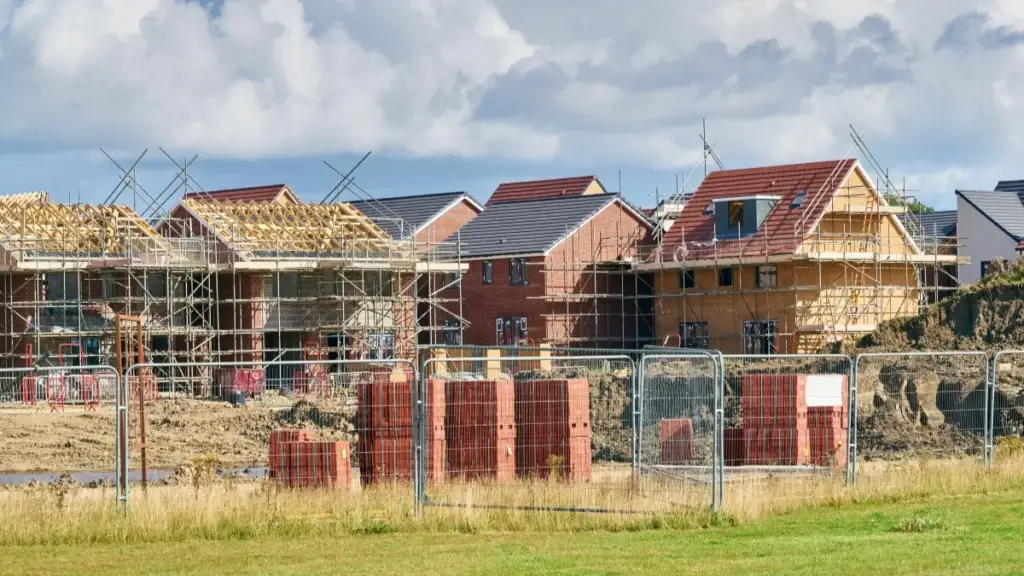
New research from the Home Builders Federation shows that planning approvals have fallen to their lowest quarterly level since 2012.
The HBF’s Housing Pipeline report, based on data from Glenigan, found that planning approvals in England for Q1 2025 stood at 39,170, a 55% drop from the previous quarter and almost a third down on Q1 2024. The figure is the third lowest since the data set was started in 2006.
The rolling annual number of units approved in the year to Q1 2025 was 225,067, 7% down on the previous year and the lowest 12-month output since 2013. It also marks just 61% of the government’s yearly target of 370,000 homes.
The number of sites approved in Q1 2025 was 2,010, 18% down on the previous quarter, the lowest since reporting began around 20 years ago and representing less investment in new sites than during the COVID lockdowns and the global financial crisis.
The rolling annual number of projects approved in the year to Q1 2025 was 9,275 and is the twelfth quarter in a row that the annual rolling number has been the lowest since the report began recording.
Neil Jefferson, chief executive of the HBF, said: “The latest planning figures are disastrous for an industry and a government looking to increase housing supply over the coming years. With current supply flatlining and permissions for homes to be built over the next few years plummeting, unless urgent interventions are made, there seems little chance of us building the homes we know are desperately needed.”
“Whilst the government’s ambition and the swift action on planning were very welcome, increasing housing delivery requires much more than good intentions and planning reform.”
“Ministers have to address the fact that potential homeowners are unable to buy due to the lack of affordable mortgage lending and the absence for the first time in decades of any government support scheme (for first-time buyers). Similarly, it needs to ensure Housing Associations are financially able to purchase the affordable homes house builders deliver. Without a functioning market for private or affordable homes, it is impossible for industry to deliver them.”
“Planning permissions and house building levels will not increase unless ministers work with industry and tackle the issues preventing companies from pressing the accelerator and investing in the sites, skills and supply chains needed build the homes the country needs.”
Allan Wilen, economics director at Glenigan, powered by Hubexo, said: “The drop in detailed planning approvals has been widespread, but especially marked for larger projects of 125 homes or more. Whilst Glenigan has seen an increase in planning applications in recent months, the current decline appears to reflect earlier declines in planning applications during 2023 and the first half of last year. This underlines the long lead time to secure residential planning consent and the need to streamline the planning system.”
The HBF says that the industry has called on the government to take action on a number of fronts to make its housebuilding target a possibility, including:
- Bringing forward effective support for first-time buyers – Previous governments for the past 25 years have assisted first-time buyers with equity loans or shared equity mortgage support and for more than 60 years, governments have supported home ownership in other ways. A recent report by Public First found that introducing a new equity loan scheme for first-time buyers would support the construction of an additional 100,000 new homes over the next five years.
- Addressing the long-term problems in the Section 106 Affordable Housing market which sees tens of thousands of new homes designated for Social and Affordable Rents going unacquired by Housing Associations.
- Resolving the ongoing delays and uncertainty caused by high-rise developments requiring approval from the Building Safety Regulator to meet its service requirements. The HBF says that investment in new apartment blocks has collapsed because of the uncertainty.
- Speeding up the planning process – Recent research by the HBF has found a shortfall of more than 2,000 planners in local authority departments and the average time to agree a Section 106 agreement regularly exceeded one year.
- Recognising the impact that a suite of new taxes, levies and policy costs is having on viabilities and deliverability of new housing – The government recently confirmed the introduction next year of a new levy on housebuilding, which could add thousands to the cost of building each new home, and last week launched a consultation on a new Build Out Tax, empowering councils to impose additional costs on builders if construction rates decline.