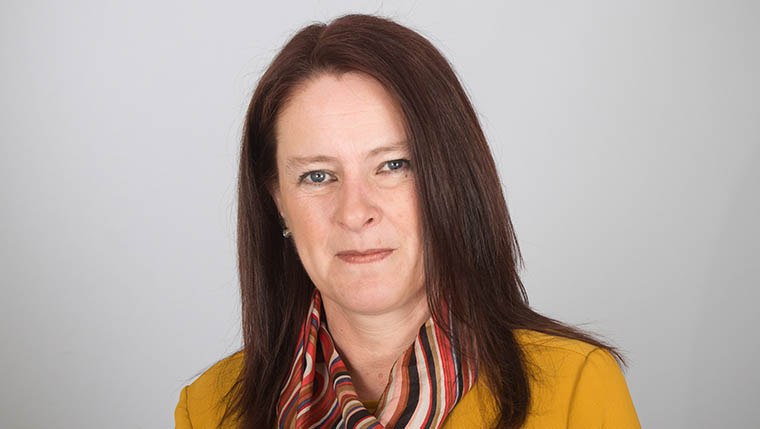
We speak to Amanda Williams, head of development for Aster Group, about her career and the progress that the social housing sector has made in gender equality.
What is your role at Aster?
I’m group development and assets director at Aster Group and oversee our development and asset management programmes. One of my main areas of focus is our build programme that sees us deliver over 1,000 new homes every year across a range of tenures including social and affordable rent and Shared Ownership.
What has been your personal experience of working in the social housing sector?
I’ve generally had a good experience and have never really been subjected to direct discrimination at any organisation I’ve worked for in the sector.
The one exception to this was when I became pregnant in my first housing job, long before I worked at Aster. At the time, you had to be employed for two years to qualify for maternity leave and I was threatened with dismissal. Eventually, I managed to negotiate having my son while taking three weeks annual leave. Thankfully times have moved on since then.
I have witnessed some chauvinistic behaviour over the years, but it’s undoubtedly got better. Generally speaking, I feel I’ve been well supported and able to move through my career without being hampered because I’m female.
I think the housing association (HA) sector has been better than most at tackling inequality. In my role now it’s part of my responsibility to make sure we continue to create an environment which allows people to fulfil their potential whatever their background, gender or any family or personal responsibilities they have.
That’s why I’ve been very keen to mentor and support others, both within and outside my organisation, to help them overcome obstacles and be the very best they can be at work.
What progress do you think the sector has made on gender equality, and what more needs to be done?
I think the HA sector has made good progress but we can always do more to enable women to become senior leaders and board directors. I do believe that diversity at all levels in an organisation leads to a better working experience for all. It improves decision making and ultimately means a happier and more energised workforce.
That said, we need to do more as a sector to make housing a career of choice for young people from all backgrounds. We don’t always shout loud enough about how fantastic a career in housing can be.
I doubt many kids will say they want to be a housing officer, development manager or the chief executive of a housing association when they grow up. But if they knew how rewarding it is to improve people’s lives through building affordable homes or ensuring neighbourhoods are safe and attractive to live in, they might change their minds.
We need to promote ourselves as employers with a vital social purpose that can offer an inspiring career path.
What policies/initiatives have Aster put in place to boost female representation?
In my view, Aster is really striving to be amongst the leaders in the sector on gender equality. Our executive board is now majority female, and we have been accredited by Mumsnet as an employer of choice for working parents. We’re also just about to double our intake of female apprentices to help nurture the next generation of women who will lead the industry.
The progress we’ve made in this area has been down to the work done by our People team, headed up by our group people and transformation director, Rachel Credidio. Rachel is incredibly passionate about Aster being a great place to work, and she and her team have worked hard to create a progressive culture at Aster.
As a mother of four, balancing work and home life used to be a constant juggling act. But our approach to flexible working, that meets our business needs whilst empowering colleagues to work to their own schedule from a location that suits them, has been transformative for me and many others at Aster.
Rachel’s focus is on our culture for our people and how we can make it easier for them to be great at their jobs. For example, our wellbeing programme includes menopause awareness workshops that have been attended by hundreds of colleagues, both male and female.
A career in social housing is rewarding, but it’s also challenging and many of our employees have to deal with difficult situations by the very nature of their jobs. There’s still work to be done but I think Aster has been excellent at facing this head on, doing everything it can to be supportive. Ultimately this makes Aster a better place to work for both men and women and empowers our colleagues to deliver a better calibre of service to our customers.