 As Biodiversity Net Gain becomes mandatory in England, Dr Robin McArthur, chair of the Advisory Board for Joe’s Blooms, which specialises in creating digital tools to help with BNG compliance, talks about the impact BNG could have on the planet and what it means for developers.
There’s mounting evidence the world may be experiencing a sixth mass extinction. The most recent Living Planet Index shows a 68% global decrease in the population of mammals, birds, reptiles, and fish between 1970 and 2016 – and the primary cause of this is biodiversity loss.
Governments around the world are beginning to put in place measures that recognise and try to guard against this alarming collapse of biodiversity. In England, one of those measures that housebuilders and planners will now be familiar with is Biodiversity Net Gain (BNG).
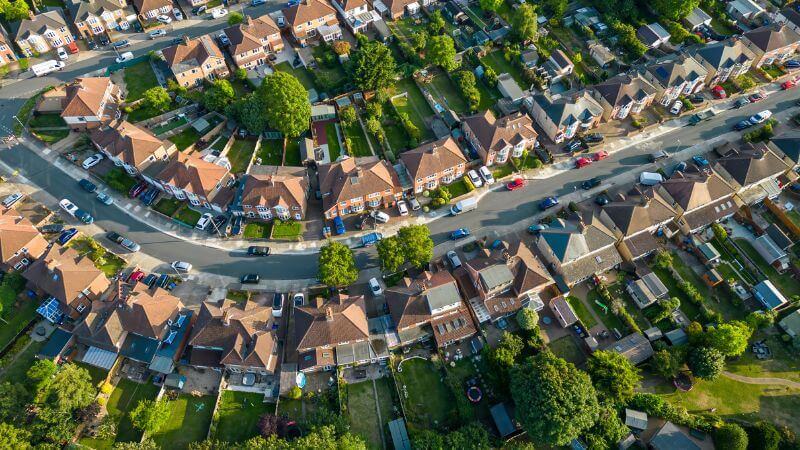
From today onwards (12/2), developers, planners and housebuilders will need to ensure the amount of plants and wildlife in the local area increases by at least 10% with new developments. This would, in turn, contribute to UK towns and villages being greener, helping to support nature recovery.
While large developments will have to incorporate the 10% gain into plans from today, smaller developments have a couple more months until implementation in April 2024. This will mean that nearly all new developments will play a critical role in reversing habitat loss and driving national nature recovery, translating into a big win for communities across the UK.
Why is this important?
BNG is a first-of-its-kind policy that will provide important benefits for people, communities, animals, plants and our wildlife.
Recent research by biodiversity start-up Joe’s Blooms, where I sit as chair on its independent Advisory Board, shows that across England, BNG will save up to 30,000 football pitches worth of habitat, and create an additional 17,000 football pitches of new habitat, each year. BNG has the potential to help improve our health and well-being by creating and enhancing green space in our communities. These green spaces can, in turn, boost investment and create more green jobs, such as in habitat management, for the community.
The BNG-fuelled nature recovery will also have a wider impact on climate change – for example, additional woodland creation will help take more carbon dioxide out of the atmosphere. BNG will also support our environment in becoming more resilient to extreme weather conditions such as heat waves and flooding – local environments can keep cooler during heat waves by creating more woodlands, parks, and rivers, whereas flood risks in cities and towns can be mitigated by creating more green space.
How will this impact planners and developers?
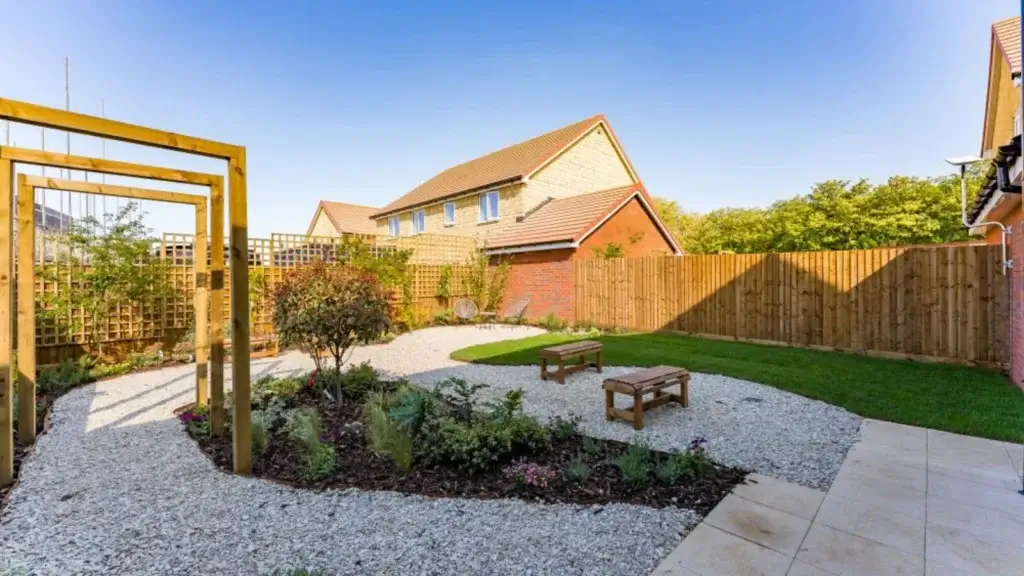
As part of planning applications, developers must fill in a biodiversity metric and create a ‘Biodiversity Gain Plan’ (BGP) before development can begin. Ideally, developers and housebuilders will make the 10% uplift on-site, whether through creating new, high-quality habitats, enhancing existing habitats or through maintaining biodiverse habitats already on-site. In cases where that is not possible, developers and housebuilders have the option of accessing off-site solutions, which will generate nature recovery in other parts of the country.
BNG is an ambitious environmental target that has strong backing in local communities. According to polling, two in three (68%) Brits back BNG to increase the number of plants and amount of wildlife in their local area, making UK towns and villages greener and helping to support nature recovery.
The polling also found that nearly half (52%) of those who are opposed to planning laws being relaxed to boost housebuilding would be more open to such developments if builders had to meet biodiversity requirements.
With BNG bringing opportunities to demonstrate that development and biodiversity can work in harmony, developers, housebuilders, and property developers have an exciting opportunity ahead of them when the legislation comes into effect next month.
What’s next?
If they haven’t already, it’s essential that housebuilders and planners who haven’t had time to develop an in-depth understanding of biodiversity begin engaging with stakeholders who know the subject matter better. This will be key in getting the policy right.
Digital solutions can now help housebuilders and others enhance their local environment by making it simple to comply with the complex elements of the BNG regulations, providing easy-to-use tools that produce all of the site-specific data and legal documents required to secure planning permission under the new rules.
Joe’s Blooms aims to simplify the new compliance process, helping developers to achieve best practice, and reducing the time and costs involved for all users during the planning stage.
BNG gives the property sector an opportunity to be a driving force for nature recovery, and it is important that developers and planners of all sizes are supported to deliver these ambitious targets that will create more green spaces, and enhance plants and wildlife.