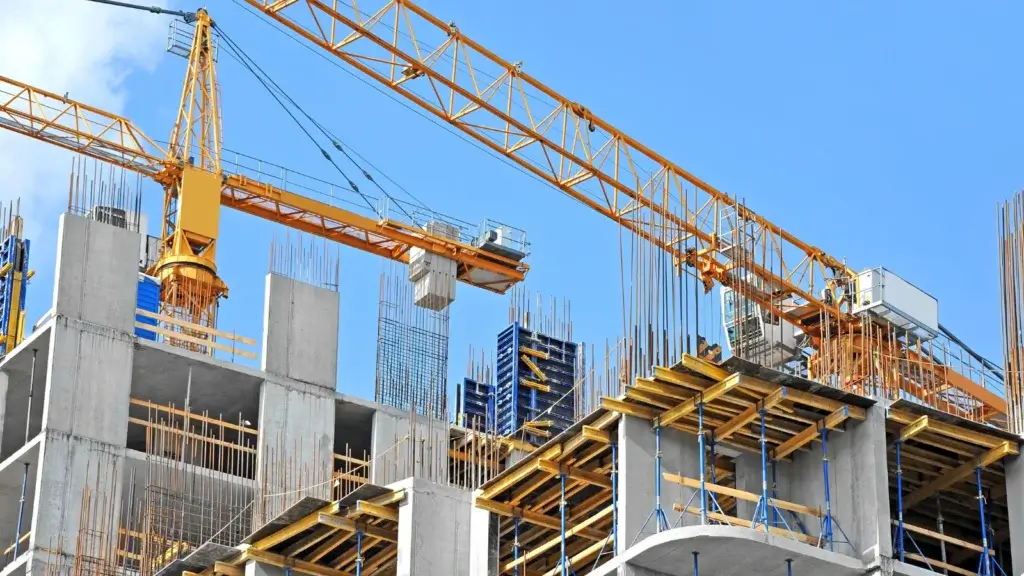
The NHBC Foundation has published a new report exploring the impact of climate and weather hazards on the construction industry.
The new research titled ‘Managing Construction in a Changing Climate’, produced in partnership with Studio Partington, looks at the challenges facing the sector as well as the steps the wider industry must take to mitigate risk to quality and delivery.
The NHBC says that construction has always been susceptible to adverse weather conditions, with extremes and seasonal patterns affecting delivery. Today, however, the industry faces accelerating climate change with sweltering heat, intense rainfall, powerful storms and prolonged dry spells proving increasingly common, which can cause profound challenges for the built environment and for those who design, construct and maintain it.
This new publication from the NHBC Foundation aims to provide clear, practical guidance at a time when construction professionals must reconsider long-held assumptions about predictability, seasonality and site safety. As weather patterns become more volatile, the NHBC says that the construction industry must strengthen its ability not only to respond to these changes, but to anticipate and adapt to them.
The report draws together the latest climate science, real world construction impacts and insights from experts across industry, academia and safety bodies. It highlights that resilience within the construction process is no longer an optional consideration, but a commercial and operational imperative. It says that if the industry fails to prepare and adapt to the evolving climate, it will face delays, material failure, insurance losses, increased build costs, compromised quality and risks to worker welfare.
Conditions and scenarios explored in the report are not limited to just extreme heat, but also include cold waves, dust storms, flooding, fog, high winds, storms and torrential rain.
Richard Smith, head of standards, innovation & research at NHBC, commented: “While construction projects have always been susceptible to weather fluctuations, historically, the industry has been able to rely on predictable weather cycles for scheduling and planning. In a changing climate, however, this approach is no longer viable, with the unpredictability of weather events already proving to be a growing challenge. The recent record-breaking scorching temperatures we’ve seen are evidence of this, with May, June and July proving far hotter than any of us expected. This report encourages the industry to consider how to continue delivering high-quality homes year-round while mitigating operational and commercial risk.”