Andy George, director of industry attraction and skills at the HBF, looks at how working closely with the Further Education (FE) sector will play an essential role in tackling the skills shortage…
The government’s ambition to increase housing delivery will require more than planning reform and investment. It will depend on having a workforce with the skills, experience and capacity to build the homes the country needs.
The new Prime Minister, Andy Burnham, brings renewed focus to construction skills, with plans to give 14-year-olds earlier access to technical education, alongside previous pledges to increase Further Education funding for construction courses.
These measures potentially tackle some of the long-standing barriers to progression into the industry, but further action is needed. We also need to ensure skills provision delivers what employers need, with learning that reflects the workplace and gives employers a meaningful role in shaping it.
The scale of the challenge is significant. The home building industry faces workforce pressures from an ageing labour force, too few young people progressing from education into employment, and the need to improve competence, quality and productivity. The CITB estimates that an average of 41,200 additional workers will be needed each year between 2026 and 2030 – around 206,000 in total.
Meeting that demand requires greater collaboration across government, industry, education and the wider home building supply chain. The question is not simply how we bring more people into the sector, but how we ensure they have the right skills and experience to be genuinely work-ready.
FE in construction must deliver work-ready skills

The need for work-ready skills has motivated the development of the Home Building Sector Skills Plan, led by the Home Builders Federation in partnership with industry. Evolving with the sector’s needs, it provides a framework for employer-led solutions to build the workforce needed to support future housing delivery. It brings together activity to inspire young people, support existing workers, attract career changers and widen the talent entering home building.
This aligns with the government’s welcome commitment to technical education. Earlier exposure to technical skills, realistic insight through work experience and employer contact can help challenge the perception that academic routes are the only path to a successful career. Closer collaboration between education, local leaders and employers is essential to ensure provision reflects local jobs and industry needs. The answer is not simply more courses, rather better-connected provision that delivers the skills home building needs.
FE must be better connected to the home building sector
A core element of the Home Building Sector Skills Plan is the Partner a College pilot, which strengthens collaboration between home builders and FE colleges. It connects teaching more closely to real site needs while helping students understand employer expectations, workplace behaviours and practical skills.
The pilot’s impact lies in building sustained relationships, as industry partners gain insight into curriculum needs and deliver tailored support, while colleges stay informed about current site practice and industry standards. With 14 colleges and 15 homebuilding and supply chain businesses already engaged, the programme is building strong foundations for wider industry collaboration.
Engagement has included industry sessions, health and safety training, employer panels, site visits, inductions, mock interviews, and subcontractor events, alongside practical support such as donating materials, tools and PPE. Together, this activity strengthens industry knowledge, employability skills and employer-college relationships.
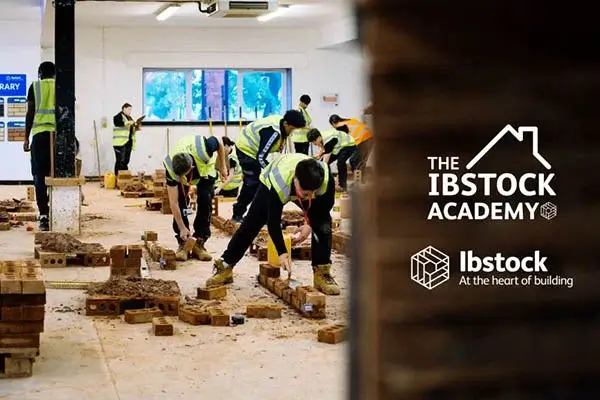
We are already beginning to see the success of this pilot programme, for example, the Ibstock Academy partnership with Walsall College and Tara Group has recently graduated its first cohort. By combining practical training with industry engagement, the partnership has helped students build product knowledge, understand the quality and safety standards of modern construction, and develop greater confidence in taking the next step into employment.
Cheryl Brown, head of corporate affairs at Ibstock PLC, said: “Our partnership with Walsall College has shown the value of bringing education and industry together. Through activities such as factory visits, masterclasses and employer engagement, we’ve been able to help students build their understanding of the role manufacturers play within the home building sector and the range of opportunities available. It’s also given us valuable insight into how collaboration between colleges and industry can help better prepare learners for employment.”
For industry, the benefits of stronger relationships with FE extend beyond addressing the skills challenge. Manufacturers, suppliers, subcontractors and specialist businesses can help shape training around industry needs while showcasing the breadth of careers available, from manufacturing and logistics to design, sustainability and technical support.
This wider involvement helps students understand that home building is a broad industry with opportunities well beyond the development site, while helping employers identify local talent.
Collaboration needs to become the norm

The next phase of the Partner a College programme is about scaling what works and making it easier for more employers and colleges to engage. A key aim is to help businesses engage with local FE providers by creating resources from the learnings of the programme pilot. These resources will support employers to identify the right contacts, start conversations and deliver meaningful activities with local colleges.
This means employers offering placements, opening sites, supporting tutors and investing in relationships that may not deliver an immediate vacancy but can strengthen the talent pipeline over time. It also means colleges building sustained links with industry and ensuring training reflects the skills businesses actually need.
If government is serious about increasing housing delivery, we must be equally serious about building the workforce to deliver it. The challenge now is to build on the momentum already created, make provision fit for purpose and ensure every part of the sector plays its role in attracting, developing and preparing the talent that will build the homes of the future.
For home building, developing a work-ready pipeline is as much a perception challenge as a skills challenge. The sector must show young people that careers extend well beyond traditional site roles, spanning manufacturing, design, logistics, sustainability, technical support and more. Stronger employer-education and mentoring partnerships can give learners practical experience, broaden their understanding of the sector and help businesses build stronger local talent pipelines.