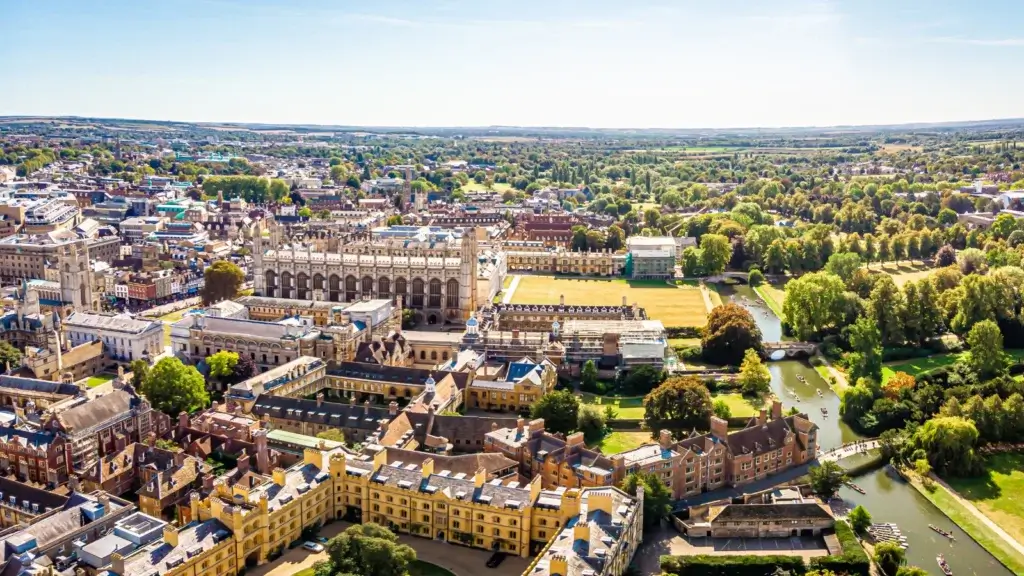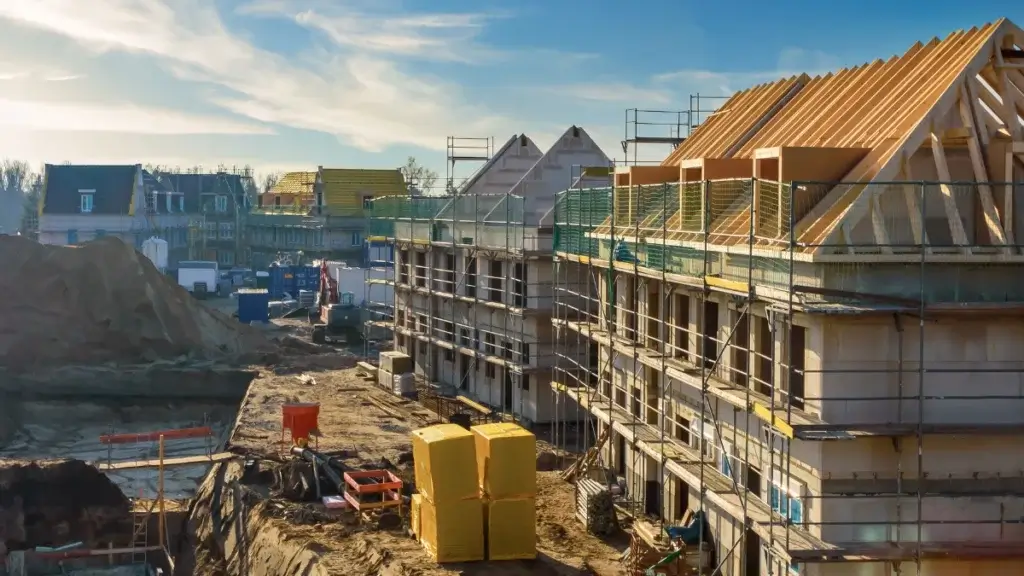
The University of Cambridge is considering the possibility of doubling the size of its Eddington development, increasing the number of homes included from 3,000 to 6,000.
Permission was initially granted in 2013 for up to 3,000 homes, with 50% being made available for university staff and students and the rest being sold as market housing.
Head of development for the University of Cambridge, Matt Johnson, said that it planned to listen to the wants and needs of the people in the local area and use his to tailor its plans. He also told a pre-application briefing to councillors that the needs of an increased population would be catered for.
Currently, around 1,100 of the planned 1,800 homes in phase one of the Eddington scheme have been built, with the university now having run out of time to continue building under the original planning permission.
As a result, the university will now prepare to submit a new planning application and Johnson said that it will consider increasing the density of housing at the development.
The Labour executive councillor for open spaces and city services, Martin Smart, questioned why the university was looking to increase the number of homes so significantly.
Matt Johnson responded: “There is a significant shortage of housing in Cambridge. Where we have land available for development I think it is appropriate to maximise that within sensible bounds.”
Johnson went on to say that Eddington had so far not been a “financial success” and that building more homes would improve the situation.
At the briefing, Liberal Democrat councillor, Anna Bradnam, also questioned if more facilities would be provided to cater for the needs of the additional residents. Johnson said that the facilities had been “overbuilt” in the first phase and expected that the existing facilities would be enough to meet future demand.