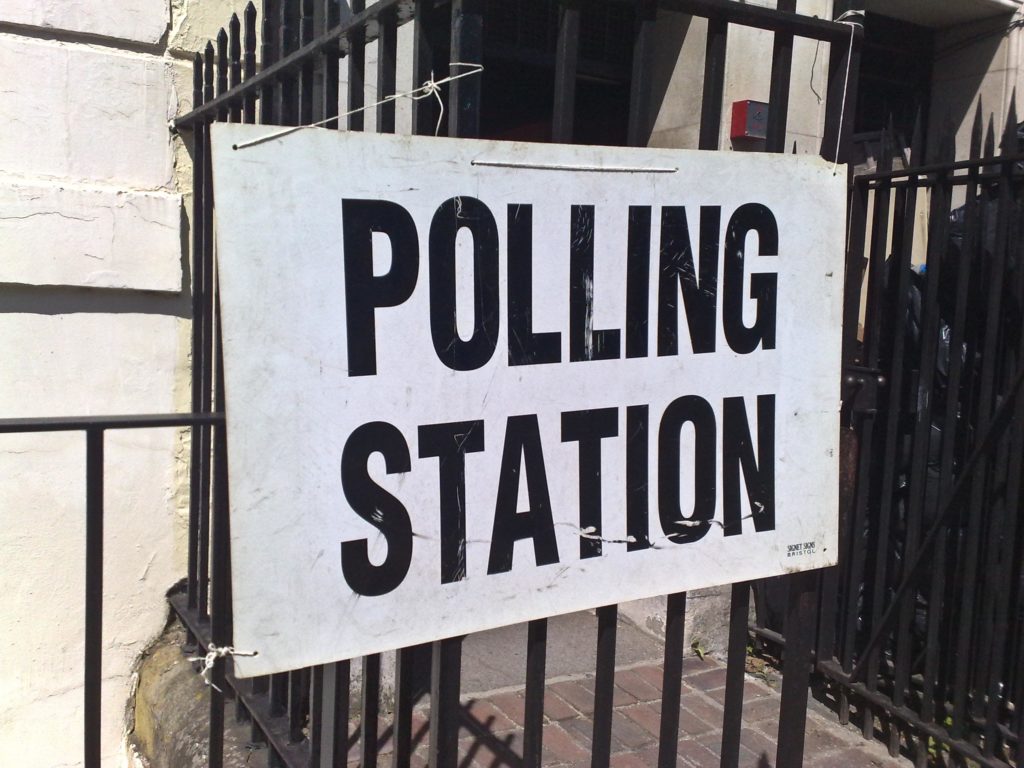
A weary electrolyte are being marched back to the polls on 12 December. Although this will be the public’s third trip in almost four years, there is nothing normal about this election, which could have far-reaching consequences for the property market.
Nedbank Private Wealth have stated that despite appreciating that UK elections typically have a limited impact on the UK property market, it expects the 12 December 2019 election to buck that trend and have a more significant impact due to the ramifications this election’s manifesto promises are likely to have on London’s residential property market.
Noting that it was agnostic with regard to any election outcome, the bank sought to highlight the likely impact of each of the various scenarios that could result from the vote, as well as a resolution to the current Brexit impasse, on its clients. It also flagged that political uncertainties are often difficult to discuss, and anyone’s political persuasions can be very firmly seated and are not always a foregone conclusion.
Colin Campbell, private banker, said: “The UK property market has come off the record highs seen in 2017. Meanwhile, prime central London residences have seen a continued correction in prices since 2015. This drop in property values has come at a time when there is also limited confidence in other traditional investment options, such as bonds and equities, due to a variety of investors’ concerns about negative interest rates and the sustainability of financial markets.”
Knight Frank figures show a drop of 14% in property prices in sterling terms since the EU referendum – a figure that falls to 20% once exchange rates are taken into account although it was as low as 25% before the recent bounce in the value of sterling. Peak to trough, these levels are lower than they were during the global financial crisis.
Regarding the likely outcomes of the forthcoming general election, the main four scenarios the study considers are based on:
(1) the Conservative Party gaining a majority or working with other parties/individuals to form a government;
(2) the Labour Party gaining a majority or working with other parties/individuals to form a government;
(3) a decision by any government to hold a second referendum; and
(4) the ongoing impasse continuing while any future government sought to get a (new)
The Conservative Party gaining a majority or working with other parties/individuals to form a government
Given the party has been in power for some time, Nedbank Private Wealth believes that any changes should already have been put through, although the first budget by Sajid Javid originally set for 6 November has been cancelled due to the election and we have not seen the new chancellor’s vision. However, election time always raises the possibility of the publication of an updated manifesto that draws ideas from other parties if they are a popular choice with voters.
This may be the case with stamp duty, which has been cited as the second most unpopular tax in the UK, not least as the Conservatives had promised reform in their 2017 manifesto, although no changes were subsequently announced. A change here might see the levy changed to a new system that charges 4% on properties valued above £500,000 and 5% on those valued over £1 million.
The Labour Party gaining a majority or working with other parties/individuals to form a government
Here the UK residential property market would be affected by a number of changes that Labour are on record as putting forward for change. Any additional levies here are mainly due to their desire to redistribute income. Again, stamp duty would be an area for re-assessment where the only published aim would be that stamp duty would only remain where the purchasers were for non-domiciled UK residents (non-doms), companies, second homes and investment properties.
In addition, current council tax charges on properties would be replaced with a progressive tax based on the value of the property, which would be payable by the owners instead of those living in the house. Here too, scope for more change has been pledged with higher rates applicable for second homes, those standing empty and for properties that are owned by non-doms and/or non-residents. Last, but not least, another area affecting property would come in the form of a reformed capital gains tax charge that sees rates for second homes/investment properties aligned with income tax rates as a starting point, as well as the removal of principal private residence relief.
A decision by any government to hold a second referendum
This is only – as currently stands – an option being mooted if a Labour-led government were to be voted in. Here, Nedbank Private Wealth believes that any impact on the property market would be determined by the terms of a second referendum rather than the physical vote itself.
The ongoing impasse continuing while any future government sought to get a (new) Brexit deal agreed by parliament
A sense of caution has prevailed in the property market while prospective buyers have been waiting for a resolution to the EU issue. With the announcement of the general election, this is likely to continue. Given the extent of pricing correction in London to date, Nedbank Private Wealth does not envisage significant price adjustments in any holding period.
Tom Bill, head of London residential property research at Knight Frank and author of the longest running index on central London’s residential marketplace, said: “This year has shown the extent to which political uncertainty is causing some to still hesitate. While a wall of capital has built up and buyers are scrutinising the market for value, as political uncertainty recedes, this should translate into higher levels of activity. This repricing, combined with the impact of a weaker sterling and ultra-low mortgage rates, is underpinning demand. The extent to which pent-up demand is released in 2020 depends on the disappearance of the risk of a disorderly Brexit and the emergence of a stable government.”