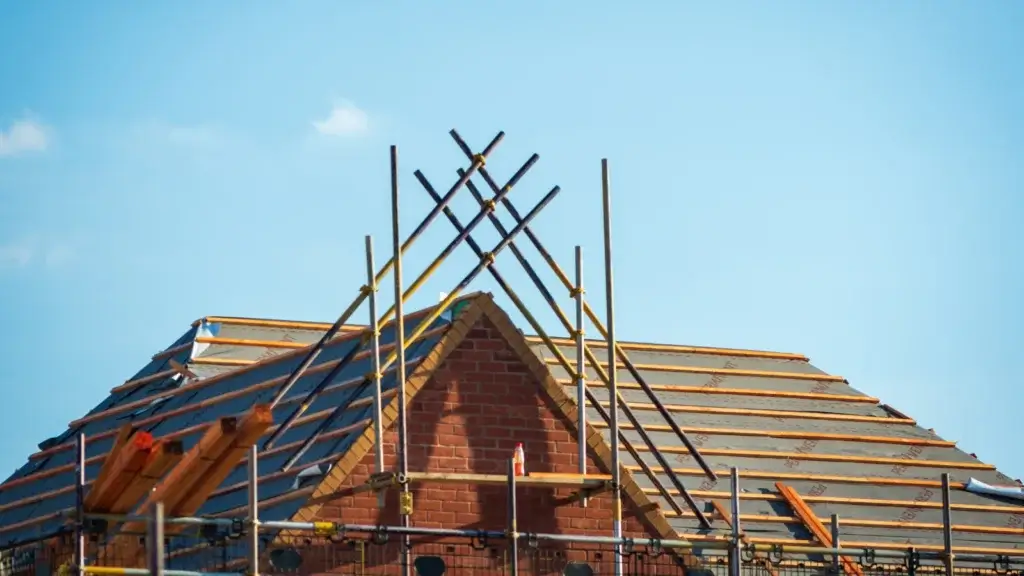
The latest statistics from the NHBC show that private sector registrations rose by 62% year-on-year in the first quarter of 2025.
During the quarter, 20,653 private sector homes were registered to be built, up from 12,747 the previous year.
In total, new home registrations increased by over a third (36%) in Q1 2025 compared to the same period in 2024, while it marked a 17% growth on Q4 of 2024.
However, the rental and affordable homes sector saw a slight decrease in registrations year-on-year, 2% down with 8,703 new homes.
The NHBC says that the figures reflect the consequences of the delays of high-rise buildings as a result of the Building Safety Regulator. In the last quarter, apartment registrations across the county fell by 3%, which the NHBC says was also due to lower demand from housing associations as they focused more on their existing stock.
On a regional level, London was the only region to record an annual decrease in registrations during the first quarter of 2025, falling significantly by 38%. Several regions saw major increases in registrations with Wales seeing a 116% growth, the East Midlands increasing by 102% and the West Midlands seeing a rise of 51%.
Despite registrations for apartments falling, all other house types saw increased registrations compared to the previous year. Detached houses saw the largest annual increase with 63% while the amount of bungalow registrations grew by 54%
In terms of completions, the NHBC’s data showed a slight reduction year-on-year with 26,120 recorded in Q1 2025, down 1% compared to Q1 2024.
Steve Wood, CEO of NHBC, said: “Our figures for the first quarter of this year indicate growing confidence in the market with a 36% increase in developers registering their intent to build a new home compared to the same period last year.”
“Although we can be distracted by global factors that continue to unsettle markets, the easing of inflation, lower mortgage rates, greater availability of lower deposit mortgages and a strong start to spring sales all point to improving prospects in UK housebuilding.”
“This is particularly true for low-rise housing and for regions outside London which are less affected by the delays in approvals from the Building Safety Regulator where the new gateway system is still bedding in.”
“In addition, the industry has welcomed the government’s planned investment in infrastructure, skills and planning reform; over time, all of this will help the housing supply.”
On the subject of affordable housing, Wood said: “The demand for affordable housing across the UK is acute, so we welcome the government’s £2billion injection of new grant funding to deliver up to 18,000 new social and affordable homes. The sector would encourage increased demand-side stimulus, including through the new Affordable Homes Programme as it is confirmed later in the year.”
“Finally, it is worth a reminder that all new homes must be built to high-quality standards. This should remain a key focus for all housing delivery, irrespective of tenure, during any period of growth.”