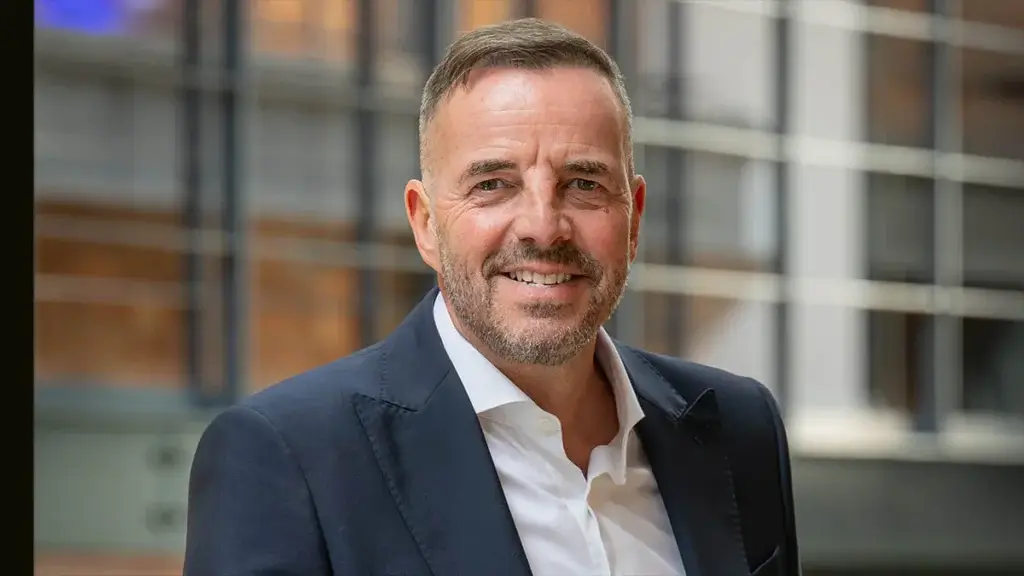
We speak with Alice Couchman, development manager at Retirement Villages Group, about the successful route to her current role, and insights into her sector.
With a background spanning the UK and New Zealand, she brings extensive experience in property development, project management, and architectural design. Before joining Retirement Villages Group in 2024, Alice has held development roles at Metlifecare and Willis Bond in New Zealand. Alice holds a Master of Architecture from Unitec Institute of Technology and Hochschule Wismar.
Hi Alice, please tell us a little about yourself and your current role.
I am a development manager at Retirement Villages Group (RVG), helping to deliver our new model of independent later living communities known as the Thrive Living collection. These are developments in well-connected urban and suburban locations that connect with their local communities, providing market-leading accommodation for over 65s with a range of amenities to support personal wellbeing, many of which are open to the public.
When did you first take an interest in working in property development?
I first became interested in property development during my time studying architecture. I became increasingly drawn to the idea of shaping projects from the first concept right through to completion and operation.
Having focused on retirement/later living for some time, what is it about this sector you find so appealing?
The sector is purpose-led. The sense of social impact and long-term value can be especially motivating. Later living development isn’t just about delivering homes, it’s about enabling independence, fostering community, and supporting wellbeing at a stage of life where those things matter enormously – and who wouldn’t want that for their parents or grandparents?
The later living sector delivers wider benefits for society by ensuring that people can move into homes that truly meet their needs, it helps create a more balanced housing market and frees up larger properties for those moving up the housing ladder. There is also a wealth of research to show that purpose‑built communities support healthier ageing and can lessen demand on health and social care services. It’s one of the few areas of development where social impact is immediate, measurable, and deeply meaningful.
The UK’s retirement property market is some way behind that in New Zealand – what are your biggest challenges for in your role at Retirement Villages Group?

One of the biggest challenges is that the UK is still in the early stages of understanding and embracing the integrated retirement community model. In New Zealand, the sector is well established, widely understood, and supported by a clear regulatory framework. Here, we’re effectively building that foundation which presents challenges within the planning system, lack of understanding on the benefits for local authorities, competition for sites with more straightforward uses and consumer perception.
Many people in the UK still associate retirement living with outdated models, retirement housing builders or care homes. Part of our role is helping people understand the lifestyle, wellbeing, and social benefits that modern independent communities offer.
What’s your career highlight so far?
A real career highlight for me has been launching RVG’s new integrated retirement community developments, particularly Paramount Place in Tunbridge Wells and The Willowbury (pictured) in West Malling. Being involved in bringing these schemes to market and then seeing the positive response from the communities and potential residents has been incredibly rewarding.
Have there been people you’ve worked with who have been especially inspiring and/or supportive to your career progress?
I have been fortunate that I’ve worked with several people in the property sector who’ve been very supportive and inspiring, particularly mentors who helped me understand and navigate the UK property sector when I first moved over from New Zealand. I’m also lucky to have an incredible team around me now, whose collaboration and shared commitment to creating high-quality retirement communities continue to motivate me.
On a personal level, I’d also say my father has been a strong influence. He’s an architect in New Zealand, so I grew up around discussions about design and the built environment, which shaped my interest in property and reinforced the value of thoughtful, well-designed spaces.
Has being a woman in the property industry ever presented any frustrating challenges?
Like many traditionally male-dominated industries, there have been moments in the sector where I’ve had to work harder to be heard or taken seriously, particularly earlier on. However, those experiences have helped me develop resilience, confidence, and develop a clear communication style. I’ve also seen positive progress in recent years, with greater emphasis on diversity and inclusion.
For people starting a career or ‘second-stepping’ – what does a role in the aged-care development sector offer that mainstream housebuilding might not?
Integrated retirement communities offer something quite different from mainstream housebuilding. They combine housing, care, hospitality and long-term management, meaning people are often involved across the full development lifecycle rather than a single stage. It’s a growing, evolving sector, and with an ageing population and increasing focus on being a lifestyle choice with health and wellbeing-led, sustainable communities, it offers the opportunity to help shape and innovate within a sector that is still developing.