A new inquiry report by the APPG on Housing and Care for Older People is calling for a greater focus on intergenerational masterplans, as nine out of ten councils do not have enough specialist housing to meet the expected demand of England’s ageing population.
In 2020, there were around 10 million people in the UK aged over 65, with this figure expected to nearly double to around 19 million by 2050.
The APPG’s report sets out the benefits of intergenerational communities, from reduced loneliness and better well-being to stronger support networks and more opportunities for learning and skills-sharing.
Giving evidence at the inquiry, Rachel Crownshaw, group managing director of communities at Places for People, and John Glenton, chief care and support officer at Riverside, emphasised that mixed‑age communities can be transformational – boosting residents’ happiness, health, and well-being.
In partnership with Hull City Council, Riverside provides more than 310 one and two-bed apartments across three ‘all age’ intergenerational extra care schemes, where support workers foster positive relationships between customers through a co-produced events programme that focuses on health and well-being, connecting with neighbours, volunteering and learning new skills.
Evidence submitted to the APPG inquiry revealed that age-segregated housing can feel stigmatising and disconnected from everyday life for some residents, but Riverside’s schemes in Hull, for people aged over-18, have enabled older residents to form strong bonds with younger people who have care needs.
The 2024 Older People’s Housing Taskforce report stated that the government needs to unlock the delivery of up to 50,000 new homes for older people per year to ease the pressure on the NHS and social services. However, currently only around 5,000-7,000 new units of such housing is completed annually.
To unlock the delivery of more intergenerational extra care schemes, Riverside’s John Glenton believes it is crucial that long-term sustained revenue funding is provided alongside capital funding.
The report comes a month after MHCLG announced increased scrutiny on the supply of housing for older persons by mandating local authorities to provide annual updates on their supported housing strategy, covering stock, demand and a strategic review, which will “include retirement or sheltered housing.”
To support the shift from mono‑generational to intergenerational communities, the inquiry, led by Housing LIN, calls for stronger national and local action, from increasing Homes England and GLA investment through their 10‑year housing programmes to requiring councils to masterplan for more accessible, adaptable later‑living homes in every major development.
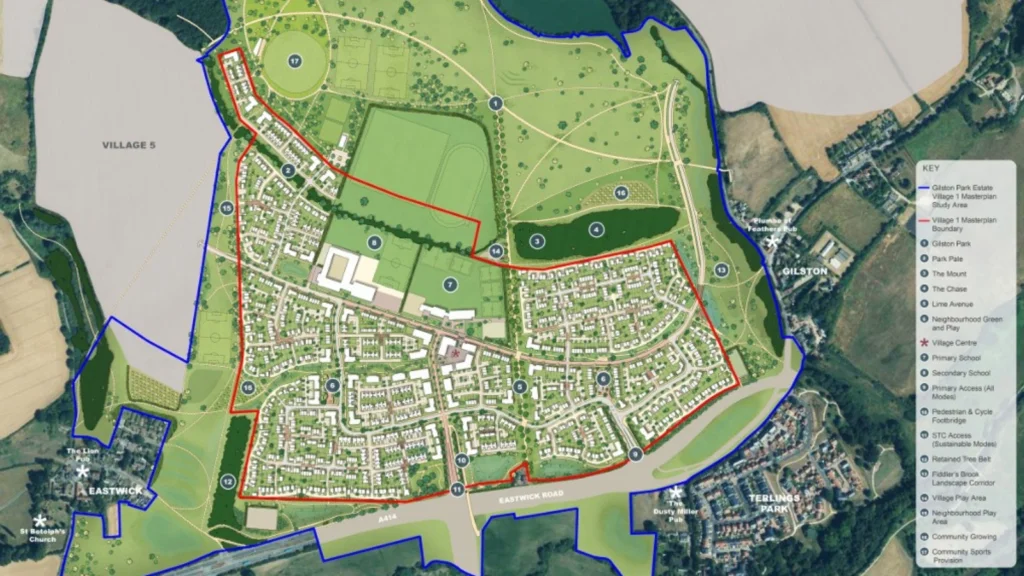
Places for People is embedding an intergenerational approach into the masterplanning of two major developments in East Hertfordshire and Aberdeenshire. Across both sites, older people’s housing is purposefully located close to local amenities to support accessibility, visibility and everyday interaction between age groups. High-quality design codes also promote walkability and active travel, with each neighbourhood designed to be crossed in minutes on foot.
Rachel Crownshaw, group managing director of communities at Places for People, said: “A home is more than a building – it’s the community around it. Strong social connections and supportive neighbourhoods are proven to improve health, well-being and longevity. Places for People’s focus on intergenerational places ensures people can stay rooted in their communities for longer, living happier, healthier and more independent lives.”
“With planning reform now moving forward and greater funding certainty, we have a generational chance to accelerate social and affordable housing, including the later‑living homes our ageing population needs. Policymakers, housebuilders and providers must use this moment to create truly intergenerational communities with real housing choice.”
John Glenton, chief care and support officer at Riverside, said: “Providing care and support across the UK has taught us that intergenerational experiences can be ‘transformational’ for the happiness, health and well-being of residents.”
“If the UK is to address the chronic shortfall in the supply of extra care housing and other forms of supported housing for both older and younger people, then it is absolutely essential that long-term sustained revenue funding is provided alongside capital funding. This funding certainty is vital so that large providers of supported housing like Riverside can invest in new facilities and upgrade existing facilities in locations which we know have a viable future.”
Lord Best, co-chair of the APPG on Housing and Care for Older People, said: “The way we build homes today is too often driving generations apart, and that has real costs for all of us, young and old alike. This inquiry shows that it doesn’t have to be this way. Where developers and planners have the vision to create genuinely intergenerational communities, the results are remarkable: mutual help with everyday activities, reduced loneliness, savings for health and care budgets, and more rewarding lives for all. We are calling on mainstream housebuilders, social housing providers and planners to embrace this opportunity. Building homes that work for all ages isn’t just good for older people. It adds value to every community, for every generation.”