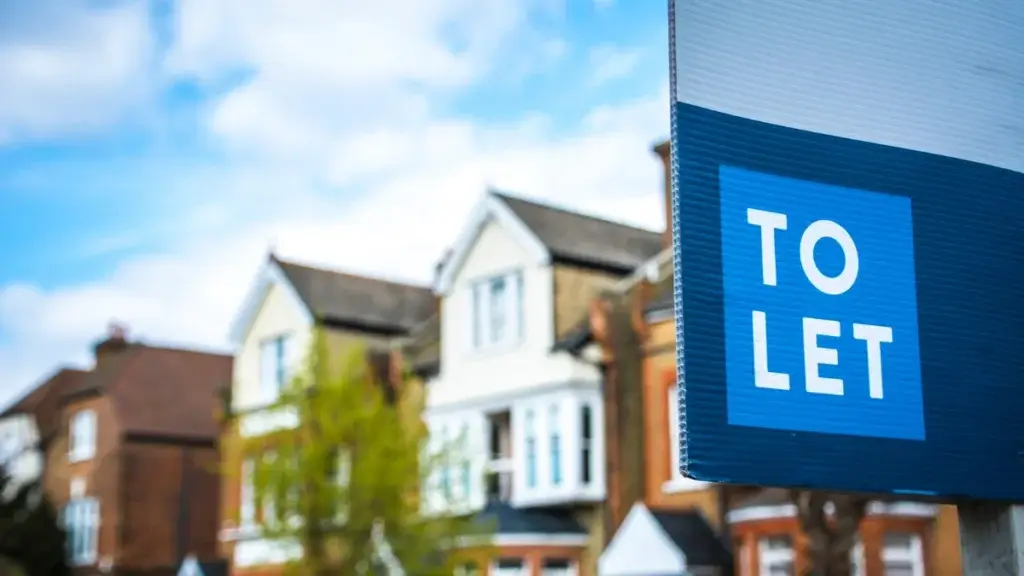
Rental inflation has fallen to its lowest level in three and a half years as average rents rise by just 3% year-on-year. This represents a marked decline from the 7.4% increase recorded the previous year.
According to the latest UK rental market report from Zoopla, the slowdown represents the narrowing of the balance between supply and demand, with the number of homes available to rent increasing by 11% while rental demand has fallen by 17% year-on-year.
Despite the slowdown, Zoopla found that the market still remains highly competitive, with an average of 12 renters competing for an available home. The average number of homes each agent has available for rent has also increased to 13 from a low of 10 the previous year. However, it remains 22% below the pre-pandemic average.
The Zoopla report says that affordability has had a significant impact on rent growth, saying that the slowdown of rental inflation “has more to do with worsening affordability than an improvement in the supply of homes for rent”.
The average annual rent now stands at £15,400, which reflects an increase of 24% over the last three years.
Despite a recent increase in supply, the total number of rental properties has stayed largely unchanged since 2016 at around 5.5million. Zoopla says that policy changes, such as the upcoming Renters’ Rights Bill and energy efficiency requirements could result in a lack of new investment.
Richard Donnell, executive director of Zoopla, said: “Rental inflation has slowed, which will be welcome news to renters, but there are still 12 people chasing every home for rent. Growing supply is essential to support those on lower incomes, and policy reforms for the rental market need to minimize the impact on supply.”
On a regional level, Northern Ireland saw the largest increase in rents with 9%, while London saw the lowest increase with 1.1%. The North East and Scotland also saw significant increases with +6.3% and +5.8% respectively year-on-year.