The Royal Institution of Chartered Surveyors has released its 2024 Annual Review, announcing that it had made “significant progress” in modernising the profession over the year.
The chairman of RICS, Martin Samworth, said that 2024 marked a “turning point” for the institution as it expanded its membership and led on global sustainability standards.
The report said that membership in the UK has risen over 100,000 for the first time during the year, while also seeing over 7,600 new global enrolments, the highest since 2017.
The review found that over three-quarters of industry professionals were confident with the expertise provided by RICS members. Member satisfaction over the institute’s leadership in sustainability had also increased, with 70% reporting a positive experience, up by 6% on the previous year.
RICS reported that engagement had also improved in 2024, with over 23,000 members participating in events, consultations and programmes, including 500 hybrid events across 50 countries.
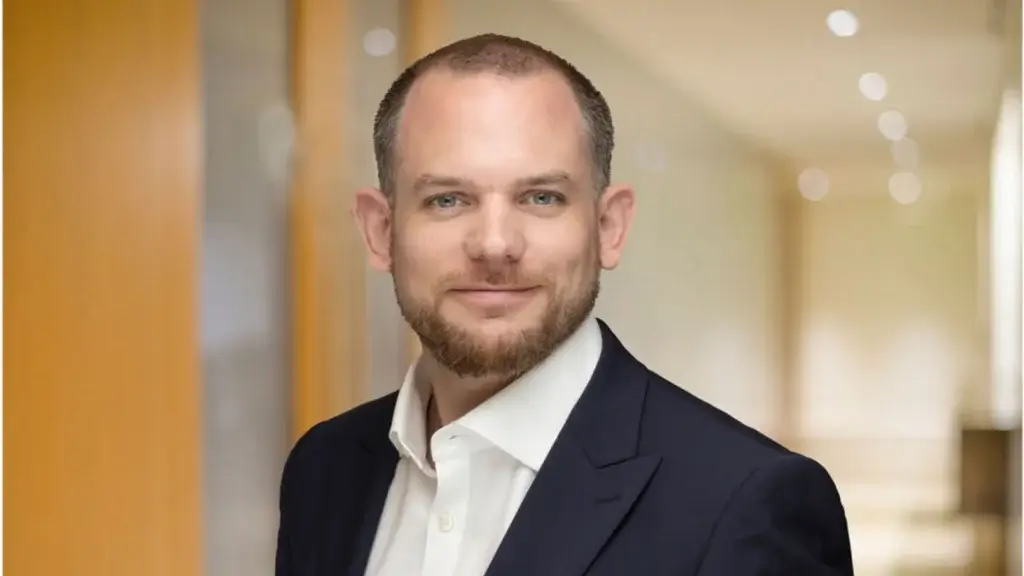
Martin Samworth, chair of the RICS board, said: “2024 marked a turning point for RICS. We not only grew our global membership but also strengthened how we engage and support professionals. That trust is reflected in rising satisfaction levels and greater member-led involvement.”
RICS’ review also highlighted the success of the organisation’s ‘Whole Life Carbon Assessment for the Built Environment’, a sustainability standard which had been widely adopted by the UK government, DEFRA, the Welsh government and Queen’s University Belfast among others in 2024.
Moving forward, RICS said that Diversity, Equity and Inclusion (DEI) remained a key priority in 2025 following the launch of its first global DEI strategy the previous year. RICS also launched a dedicated DEI forum and included relevant guidance in the RICS Rules of Conduct during the year.
RICS said that it would continue to prioritise growing membership numbers while taking the lead on key global issues including housing and infrastructure, climate resilience and bridging the skills gap.