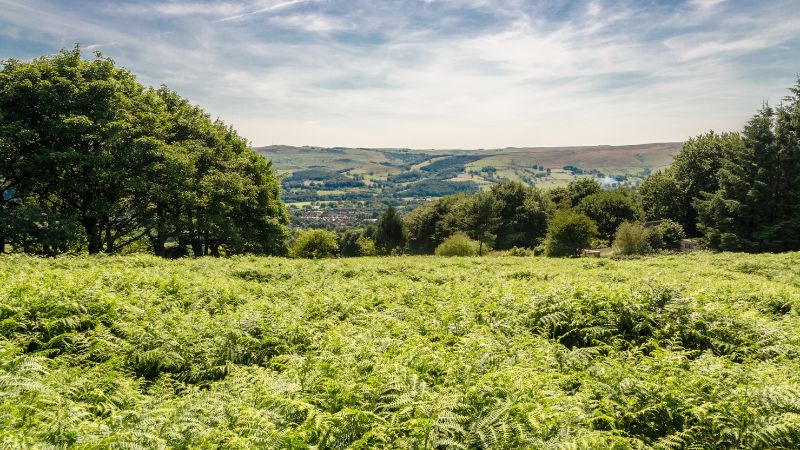
The new biodiversity laws introduced by the government this year could see up to 650,000 tonnes of carbon dioxide absorbed each year by the natural habitats created, according to research by biodiversity start-up, Joe’s Blooms.
Based on the Government’s Net Gain Impact Assessment which shows that new regulations could see England benefit from an increase of over 15,000 hectares of biodiversity each year, the research analysed the carbon storage potential of the natural habitats that this increase could create.
Looking at the distribution of different habitats across the UK, the research found that the carbon storage potential of woodland, heath, grasslands, and wetlands equates to emissions released from 4.6 billion kilometres of driving an average car.
The increase in habitats that absorb carbon dioxide is down to the new Biodiversity Net Gain law (BNG) – a first-of-its-kind planning policy that requires developers to invest in measures that increase the amount of plants and wildlife in the local area by 10%.
As well as the carbon absorption potential, increasing woodlands, heath, grasslands, and wetlands, the new BNG policy will protect England’s native plant and animal species – with recent data from the Woodland Trust finding that one-third of all woodland species are diminishing.
The analysis comes as recent data from the European Earth Observation Agency shows global annual temperatures have for the first time breached the critical benchmark of 1.5C above pre-industrial levels set by the United Nations, with January 2024 being the hottest start to a year on record.
Scientists around the world have long argued nature restoration is central to tackling the climate crisis. Research shows that over the past 10 years, ecosystems and the biodiversity they contain have absorbed 54% of human-made carbon emissions. Natural habitats also provide important solutions to more extreme weather patterns such as increased rainfall, with analysis showing that biodiverse land decreases flood exposure by up to 70%.
Robin McArthur, chair of the Joe’s Blooms Advisory Board, said: “This analysis adds to mounting evidence that nature recovery fuelled by BNG, whether it’s restoring wildlife-rich habitats or creating green corridors to bridge together fragmented habitats, will play a central role in boosting the UK’s resilience to climate change. Developers and local authorities have an opportunity to build the homes we so desperately need whilst also making a nature-positive contribution to the climate crisis.”