The government’s Social Housing (Regulation) Act has received Royal Assent meaning significant reforms for social housing have now become law.
The new law will provide better support from the RSH for tenants living in unsafe homes and strengthen its powers to hold failing social landlords to account.
The Social Housing Act includes:
- Strengthening the RSH to carry out regular inspections of the largest social housing providers and the power to issue unlimited fines to rogue social landlords.
- Extra Housing Ombudsman powers to publish best practice guidance to landlords following investigations into tenant complaints
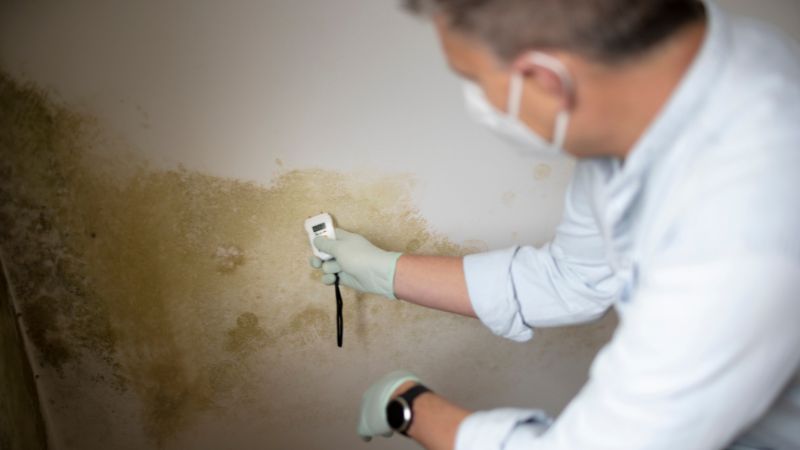
- Powers to set strict time limits for social landlords to address hazards such as damp and mould
- New qualification requirements for social housing managers
- Introducing stronger economic powers to follow inappropriate money transactions outside of the sector
New enforcement powers will also be provided to speed up failing landlords’ responses to address homes that are damp, cold or unsafe. The government has also committed to Awaab’s Law, introduced following the tragic death of Awaab Ishak in 2022, where all landlords will have to adhere to a strict timeframe when fixing reported health and safety issues.
Secretary of state for levelling up, housing & communities, Michael Gove, said: “This is an important step towards righting the wrongs of the past. Our landmark laws will drive up standards of social housing and give residents a proper voice.”
The Social Housing Act will help to ensure that tenants get the safe, warm and decent homes they deserve – and those who have seriously neglected their responsibilities for far too long will face the consequences.”
“Awaab’s Law will force social landlords to take immediate action on dangerous damp and mould as we introduce new strict time limits to fix their homes.”
“I am incredibly grateful to Awaab’s family who have displayed such courage, dignity and leadership in pushing for change and securing these vital reforms.”
As part of the act, a stronger will regulator will have increased authority, being able to issue unlimited fines and enter properties with only 48 hours’ notice, while also being able to make emergency repairs if there is a serious risk faced by the tenants.
Changes will be made in terms of fee-charging too, with both private and local authority landlords paying for regulation costs. This will cover the new consumer standards, expected to be made public in April 2024, and costs related to investigations, amongst others.
Fiona MacGregor, chief executive of the Regulator of Social Housing, said: “We welcome the introduction of the Social Housing (Regulation) Act, which will empower tenants and give us stronger powers to hold social landlords to account.”
“Our next step is to consult on the new consumer standards that landlords will need to meet, and we encourage tenants, landlords and others in the sector to have their say when we launch the consultation next week.”
“We’re gearing up to start our new programme of regulatory inspections from next April, and landlords will need to demonstrate how they’re providing good quality homes and services for tenants as well as meeting our governance and viability standards.”