
By Olga Turner-Baker, co-founder and managing director of Ekkist, the UK’s leading health and well-being consultancy for the Built Environment.
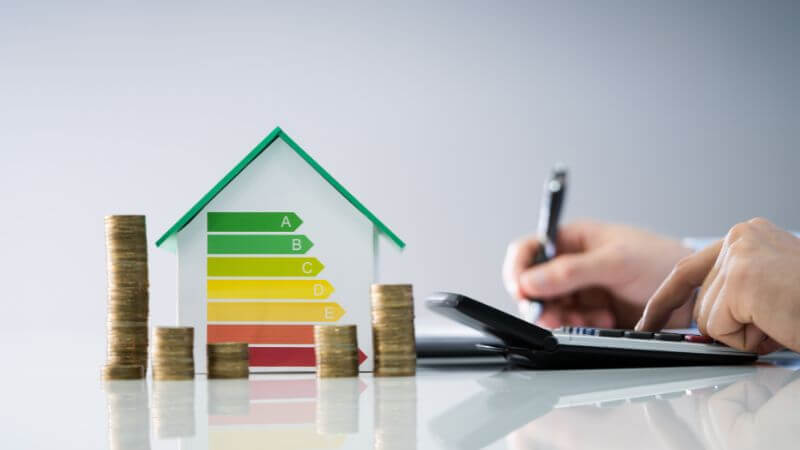
For nearly two decades, Energy Performance Certificates have shaped the way we buy, sell and design homes. An EPC rating is now standard on property listings, influencing everything from mortgage decisions to retrofit strategy.
But here’s the uncomfortable truth: a home can score highly for energy efficiency and still be quietly damaging the health of the people living inside it. Across the UK, we are building homes that are technically compliant – yet expose residents to poor air quality, overheating, damp, noise and toxic materials. And while public debate often focuses on ageing social housing or the private rented sector, many of these risks are present in new builds too.
The quality of our internal environment directly affects sleep, respiratory health, cognitive function and long-term disease risk. Poor indoor air quality has been linked to asthma and cardiovascular illness. Overheating disrupts sleep and increases health risks during heatwaves. Inadequate daylight and noise intrusion affect mental health and stress levels. Toxic building materials slowly erode respiratory health and leach toxins into our bodies.
Yet, health considerations are fragmented across different parts of the Building Regulations and never specifically outlined or measured. Ventilation is treated separately from thermal performance. Energy efficiency is prioritised without always accounting for moisture, overheating or indoor pollutants. The result is a system focused on avoiding the worst outcomes, rather than delivering the best ones.
The upcoming Future Homes Standard continues this pattern. Its primary focus is carbon reduction (of course, essential) but it contains no binding health metrics on mould risk, air toxicity or overheating resilience. As the UK Green Building Council has warned, we risk delivering zero-carbon homes that are not zero-harm.
We have no universal, transparent way of measuring the health performance of a home, and that’s the gap the Healthy Homes Checklist (HHC) is designed to fill. Think of it as the big sister to the EPC: a science-backed benchmarking tool that assesses how well a home supports human health. Rather than focusing solely on energy consumption, it evaluates 12 design-led categories that influence well-being, from clean indoor air and thermal comfort to daylight access, toxin-free materials, acoustic performance, privacy and access to outdoor space.
It aims to move the conversation beyond sustainability and aesthetic “wellness” features and towards measurable health quality and equity. It’s about glazing ratios, ventilation strategy, material specification, air and water purification and spatial design. It’s about whether a child’s bedroom overheats in summer. Whether mould forms behind kitchen units. Whether residents can sleep without traffic noise disrupting them each night.
Unhealthy housing is estimated by the BRE to cost the NHS £1.4billion every year. With a government target of 1.5 million new homes, we are at a pivotal moment. We can scale up quickly and entrench existing problems, or we can embed health into the DNA of new development.
There are developers already leading the way, voluntarily adopting higher standards and conducting health impact assessments, and we currently have live projects with Barratt, Almacantar and Lendlease. But they remain the minority. Fewer than 40% of developers currently undertake formal health impact assessments, and while Homes England’s Healthy Homes Standard is a positive step, it remains guidance rather than a mandatory framework.
What’s needed now is a cultural shift. Imagine property listings that display not only EPC bands but a transparent health rating. Imagine buyers able to compare homes based on indoor air quality, overheating resilience and acoustic comfort, not just predicted energy bills.
We already accept that cars must meet safety standards before they are sold. Why should the homes we spend most of our lives in be held to a lower bar? Better homes mean better health: they reduce pressure on the NHS, improve productivity and educational outcomes, and shape childhood development and healthy ageing.
Energy efficiency transformed the housing conversation in 2007. It’s time for health to do the same.