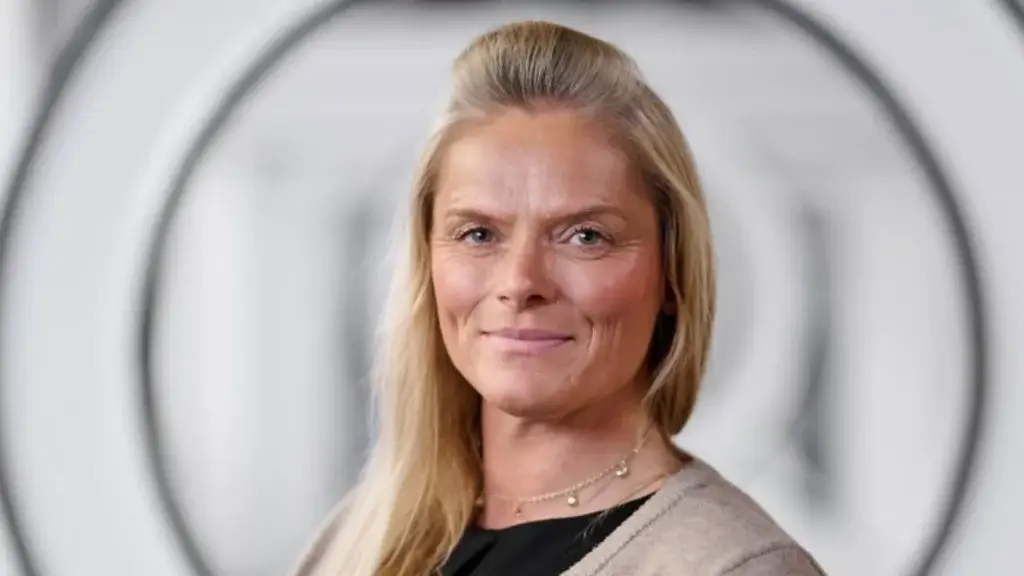

Rory Wilkinson, Digital Editor of Show House, speaks to Andrew Dyson, CEO of Build Warranty Group, to discuss supporting developers, the role of technology and why a three-year partnership with the WhatHouse? Awards matters.
“I’m Andrew Dyson, CEO of Build Warranty Group. My role is to guide the business as we develop our warranty services, technical auditing and technology, keeping the needs of developers and the people who buy their homes at the centre of that work.”
Build Warranty provides structural warranty insurance solutions for residential and commercial developments. Its work combines insurance administration with technical auditing of construction quality, supported by LDI Tech®, the platform used for audit workflows, reporting and insurer visibility. The business offers 10 and 12-year structural warranty options, with cover selected to suit the scheme and the relevant policy terms.
For Dyson, the value of a structural warranty begins well before a development is completed. It starts with understanding the project, making technical requirements clear and helping teams address issues while there is still time to act.
Supporting developers through demanding conditions
Our conversation comes against a challenging backdrop for housebuilders. When programmes and budgets are under pressure, uncertainty over requirements or outstanding technical matters can make delivery harder. Dyson believes warranty providers have a practical role in reducing that uncertainty.
“Developers need clear answers and a team they can reach. Our technical auditing focuses on construction quality against the applicable building regulations. We explain what information is needed and keep technical matters moving. If an issue needs attention, the developer should understand why, what evidence is required and what the next action is.”
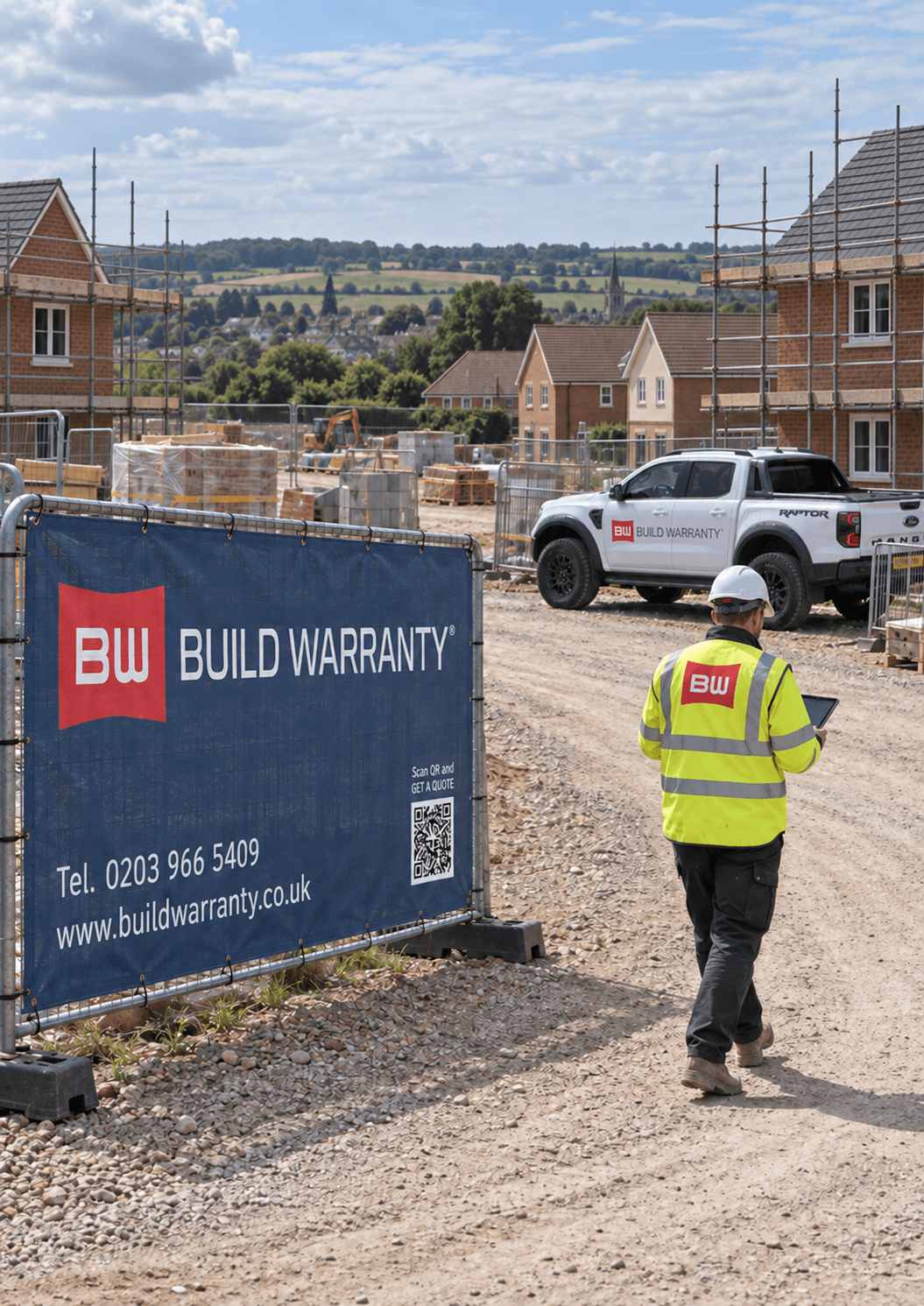
Build Warranty’s approach applies across different project types, from residential developments and social housing to commercial and high-value schemes. The starting point is understanding the construction, the proposed use and the protection required, rather than assuming one arrangement will suit every development.
Choosing protection that fits the project
“The right warranty deserves attention at the start,” says Dyson. “Developers need to understand the scope of cover, the exclusions and limits, the technical requirements and any lender requirements relevant to the project. Looking at those questions early gives everyone a clearer basis for planning.”
A structural warranty provides protection against defined defects under its policy terms. Technical auditing helps assess construction risk and identify matters requiring further evidence or remedial work. Those functions support one another, but the insurance does not replace good workmanship, site supervision or the developer’s own quality management.
Dyson sees fragmented processes between stakeholders as a longstanding weakness in the warranty sector, contributing to delays, inaccuracies and a lack of clarity. LDI Tech provides an end-to-end solution connecting the client, technical team, scheme administrators and insurer, with open-book auditing and fast, efficient transfer of information.
“Everyone needs a clear view of the evidence, outstanding issues and next actions,” Dyson explains. “Connecting the process helps reduce repeated data entry and information gaps. With AI now incorporated into LDI Tech analytics, we can identify common issues across audit records and use those findings to develop preventative guidance for site teams. That helps developers address recurring problems earlier, improve construction quality and reduce risk for insurers. Experienced technical professionals remain responsible for monitoring findings and directing action.”
A three-year commitment to the industry
Recently, Build Warranty was announced as the headline sponsor of the WhatHouse? Awards, striking a three-year commitment with the industry’s premier awards. Dyson says that the partnership reflects its interest in the standards and people behind successful developments, and that the multi-year deal gives the partnership time to develop beyond a single event.
“The WhatHouse? Awards recognise the work that goes into delivering good homes. Quality, innovation and customer service all matter to us, so there is a strong connection with what the event celebrates. This felt like the right time to make a sustained commitment and take a more active part in that conversation.”
For Dyson, the longer partnership offers an opportunity to listen as well as contribute. Meeting developers with different business models and experiences can help the company understand where support is most useful and how expectations are changing.
“I’m particularly looking forward to building relationships over the three years. You get a better understanding of a business through continuing conversations, and that gives the partnership value beyond the day itself.”

Making time for the people behind the projects
Asked what he is most looking forward to on the day, Dyson returns to the people in the room: the teams whose work is being recognised and the opportunity to hear the stories behind their projects.
“Seeing a team’s reaction when their name is called will be a highlight. There is a lot of effort behind an entry, often involving people whose contribution is not widely seen. It is good to give that work a moment in the spotlight.”
The team’s intention is to make time for conversations throughout the event, from welcoming guests on arrival to catching up with existing contacts and meeting new ones later in the day. Dyson wants those conversations to be useful and relaxed, with room to discuss both achievements and the difficulties businesses are working through.
“We want to hear how people are getting on, what they are proud of and where they are finding things difficult. We will come ready to listen, introduce people where we can and follow up properly afterwards.”
That exchange is part of what makes the WhatHouse? Awards important to the sector. Recognition brings attention to successful work, while the gathering gives businesses a chance to learn from one another. In a demanding market, those personal connections can help people share experience and approach problems with a fresh perspective.
“When teams have spent the year dealing with pressure, it matters to stop and acknowledge what they have achieved. The people delivering homes need to know their effort is valued. Celebrating together can give them encouragement for the work ahead.”
His message to anyone still considering attending is straightforward: “Make the time to come. Bring the people whose contribution you want to recognise, catch up with colleagues and leave room for a conversation you did not expect to have.”
Building the next stage of the business
Looking ahead, Build Warranty’s focus is on developing its technical auditing and digital processes while maintaining responsive personal service, leading to a stronger risk assessment for the insurer. With this, its objective is to encourage new capacity into the market, resulting in more choice for developers, lower premiums and improved underwriting criteria. Dyson sees the Awards partnership as a way to keep that work connected to the needs of the industry. “We want to keep improving how we support developers and manage construction risk. The partnership gives us more opportunities to listen, share ideas and build trust. Over three years, I would like people to judge our involvement by the contribution we make and the relationships we build.”
There’s still time to book your tickets to attend the WhatHouse? Awards. Get your tickets here.