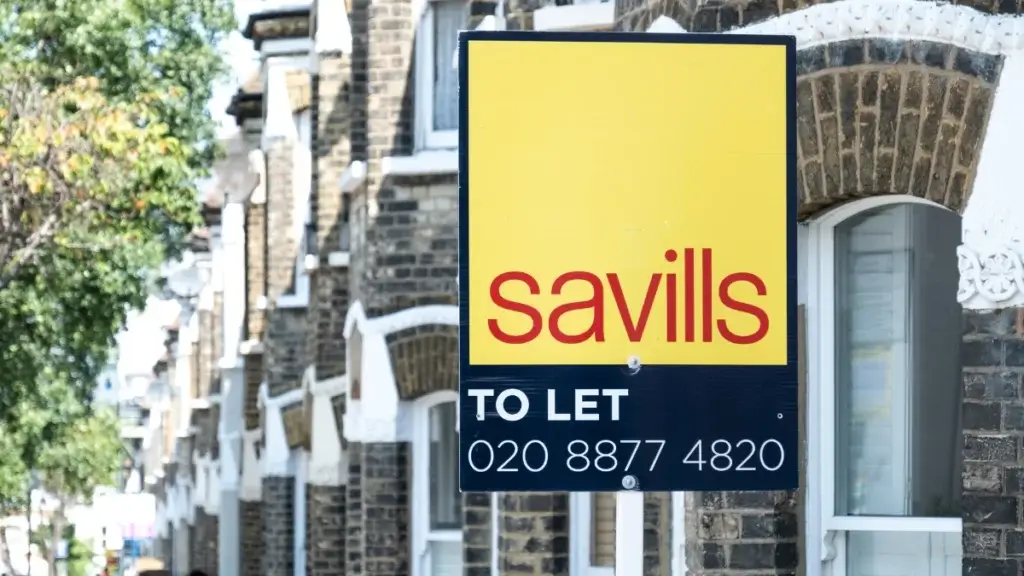
Prime rental growth is continuing to accelerate as supply contracts ahead of the Renters’ Rights Act coming into effect, according to Q1 index figures from Savills.
Jessica Tomlinson, research analyst at Savills, said: “The rental market is entering a new era, with the Renters’ Rights Act gradually reshaping both landlord and tenant profiles.”
“While there hasn’t been a mass exodus, higher costs, increased regulation, and taxation mean that some privately rented stock – particularly among smaller, debt‑dependent landlords – is continuing to move into the sales market. This has tightened supply, which in turn has kept rental values edging upwards. At the same time, we’re seeing an increase in lease renewals as landlords look to secure high‑quality tenants at strong rents ahead of the Act coming into force.”
“Over the longer term, these pressures are likely to leave a greater share of the market in the hands of larger, often more institutional landlords, who are better positioned to absorb regulatory change and invest with a longer‑term view.”
When asked to rank what landlords are most concerned about, Savills agents ranked the Renters’ Rights Act top, followed by higher mortgage costs.
As a result, the majority of agents (62%) agree that stock had already decreased over the past three months.
Values edged higher in prime central London, rising by 0.5% in Q1 and 1.1% year-on-year. On an annual basis, lower‑value prime homes continue to outperform, with rents below £1,000 per week increasing by 3.3% over the past year, compared with small falls among properties priced at £2,000 per week and above.
Jessica Tomlinson continued: “Higher stamp duty costs, alongside recent changes to non‑dom tax rules, continue to funnel international demand into prime central London’s rental market. This is a trend that the current global uncertainty could reinforce, as we may see some tenants from the Middle East consider London as a bolthole in the short-term.”
Savills’ research found that outer prime London rental values increased by 2.3% over the past year, supported by strong demand in family‑focused neighbourhoods such as Clapham, Hampstead, Battersea and Chiswick, where a limited supply of high‑quality houses continues to underpin pricing.
A similar pattern was seen across prime regional markets, with growth driven by outer commuter‑belt hotspots including Farnham and Winchester, while regional towns and cities – where flats make up a greater share of rental stock – have seen a more subdued performance.
Overall values across South West and West London have grown a significant 27% in the six years since the start of the pandemic (March 2020).
Jessica Tomlinson concluded: “Elsewhere across prime London and the regional rental markets, demand for houses has continued to outstrip flats, which is reflecting back on prices. However, this balance may begin to shift as higher interest rates delay first‑time buyer purchases, keeping more young professionals in the rental sector and supporting demand in the near term.”